

Chinese cuisine is celebrated for its bold, complex flavors that excite the taste buds. At the heart of many of these flavors is a humble ingredient that adds depth and richness to a variety of dishes: fermented bean paste. Whether you’re savoring a comforting bowl of mapo tofu or diving into a savory hot pot, this essential component of Chinese cooking is often the secret ingredient that elevates the dish. In this article, we’ll explore the different types of fermented bean paste, its health benefits, culinary uses, and tips for cooking with this flavorful staple.
Exploring Key Types of Fermented Bean Pastes
Fermented bean pastes are a cornerstone of Chinese cuisine, providing that savory umami flavor that makes Chinese dishes so irresistible. There are several types of fermented bean pastes, each with its unique taste and use in different regional cuisines.
Doubanjiang (Broad Bean Paste)
Doubanjiang is a spicy, umami-rich paste that originates from Sichuan cuisine. Made from fermented broad beans, chili peppers, and soybeans, it adds a distinct heat and depth to dishes like mapo tofu. It’s a must-have in any kitchen when cooking with Chinese food staples. Its bold flavor can elevate even the simplest stir-fry, making it a go-to ingredient for creating authentic dishes.
Fermented Black Bean Paste (Douchi)
Fermented black bean paste, known as douchi, is another popular fermented product used in Chinese cooking. This paste is made by fermenting soybeans with salt and wheat flour, resulting in a salty, umami-rich paste with a slightly earthy flavor. Douchi is typically used in braised dishes, stir-fries, and sauces. It is a staple in Cantonese cooking and pairs beautifully with meats, vegetables, and even seafood.
Yellow Soybean Paste (Tian Mian Jiang)
In northern China, yellow soybean paste, also known as tian mian jiang, is a key ingredient in many dishes like Zhajiangmian (fried noodles). With its mild sweetness, it adds a smooth texture and savory depth to the dish. This fermented bean paste is particularly popular in vegetarian Chinese dishes, where it provides a rich base for stir-fries and noodle recipes.
Health Benefits of Fermented Bean Pastes
Not only do fermented bean pastes enhance the flavor of your dishes, but they also offer several health benefits, thanks to their fermentation process.
Rich in Probiotics
Fermentation is a natural process that creates beneficial probiotics, which are essential for maintaining a healthy gut. Fermented bean pastes contain these probiotics, helping to support digestion and improve gut health. Incorporating fermented bean paste into your diet can contribute to a healthier microbiome, aiding in the absorption of nutrients and promoting overall digestive wellness.
Packed with Nutrients
In addition to probiotics, fermented bean paste is rich in essential vitamins and minerals, including iron, calcium, and magnesium. These nutrients are vital for bone health, muscle function, and overall vitality. Fermented bean pastes also contain antioxidants, which help protect the body from harmful free radicals.
Lower Sodium Options
While fermented bean pastes are generally salty, some varieties have a lower sodium content than others, making them a healthier alternative to heavily salted sauces or stocks. By choosing lower-sodium versions, you can still enjoy the umami-rich flavors without worrying about excess salt.
Incorporating fermented bean pastes into your meals not only enhances the taste but also adds nutritional value to your diet.
Culinary Uses in Chinese Cooking
In Chinese cooking, fermented bean paste is used in a wide variety of dishes, adding depth, complexity, and umami. Whether you’re cooking vegetarian dishes or preparing a meat-based feast, this ingredient is versatile and easy to use.
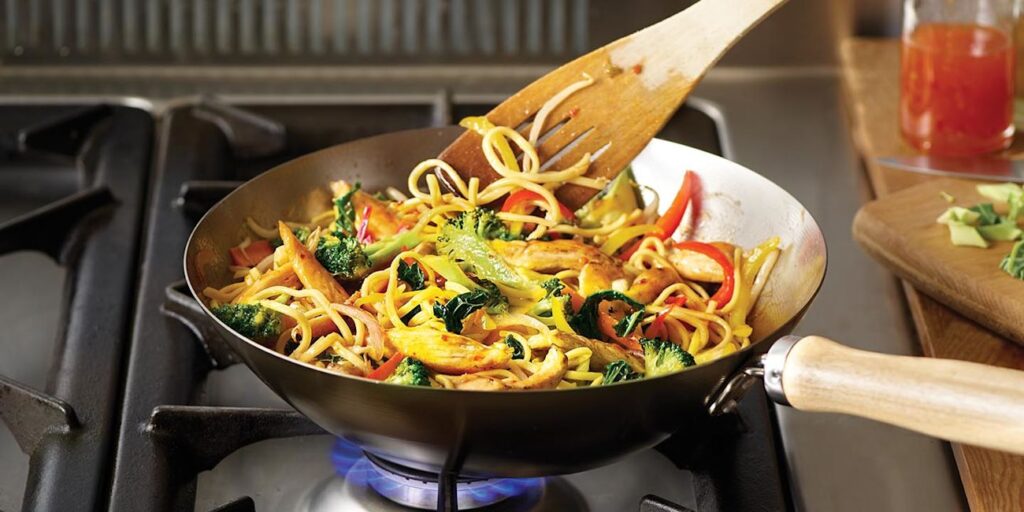
Stir-Fries and Sautéed Dishes
Fermented bean pastes are often used as a base for stir-fries and sautéed dishes, where they impart a savory, umami-rich flavor. Whether you’re making a quick stir-fry with vegetables or a more complex dish like kung pao chicken, adding fermented bean paste to the wok enhances the dish’s flavor profile, making it richer and more satisfying.
Soups and Hot Pots
In traditional Chinese hot pots and soups, fermented bean paste is often used to create a rich, savory broth. The paste’s complex flavors meld with the broth, giving the soup or hot pot a satisfying depth. Doubanjiang and douchi are especially popular in these dishes, where their spiciness and umami boost the overall taste.
Marinades and Sauces
Fermented bean paste can also be used to marinate meats, tofu, or vegetables, imparting a savory and slightly tangy flavor. The saltiness of the paste helps to tenderize proteins while infusing them with deep, rich flavors. Fermented bean paste is also a key ingredient in various Chinese sauces, where it acts as the flavor base for dishes like mapo tofu and braised pork belly.
Fusion Dishes
While fermented bean pastes are a cornerstone of traditional Chinese cooking, they also have a place in fusion dishes. Adding a spoonful of doubanjiang or douchi to non-Chinese recipes can instantly elevate the flavor, providing a savory, umami kick to pasta sauces, grilled meats, and even burgers.
Tips for Cooking with Fermented Bean Pastes
If you’re new to cooking with fermented bean pastes, here are some tips to get the best results in your dishes:
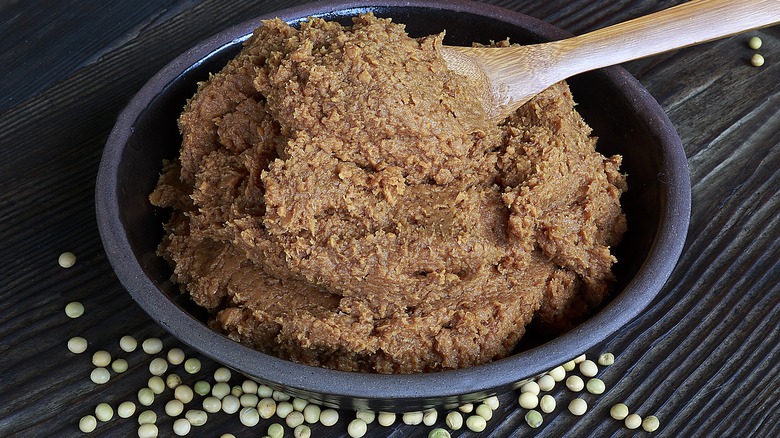
Start with Small Amounts
Fermented bean pastes can be quite salty, so it’s important to start with a small amount and taste as you go. You can always add more if you want a stronger flavor, but it’s easier to adjust than trying to balance out too much salt.
Balance with Other Ingredients
While fermented bean paste is rich in flavor, it’s essential to balance it with other ingredients to create a harmonious dish. Pair it with fresh vegetables, herbs, and spices to create depth and complexity. For example, if you’re using doubanjiang, balance its heat with a touch of sweetness from sugar or honey.
Use in Combination with Other Sauces
To elevate the flavor of your dish, try combining fermented bean paste with other Chinese sauces like soy sauce, hoisin sauce, or oyster sauce. The combination of salty, sweet, and umami flavors will add layers of depth to your cooking.
Experiment with Different Varieties
There are many types of fermented bean paste, so don’t be afraid to experiment with different varieties in your cooking. Whether you’re making a spicy doubanjiang stir-fry or a savory douchi braise, each paste offers a unique flavor that can transform your dish.
Conclusion
Fermented bean paste is an essential ingredient that unlocks the full potential of Chinese cuisine, transforming simple dishes into flavorful masterpieces. Its rich, umami-packed taste adds depth and complexity, whether you’re preparing a traditional stir-fry or a comforting hot pot. Beyond its culinary benefits, fermented bean paste also offers numerous health advantages, including probiotics and essential nutrients that support digestive health.
As you explore the many ways fermented bean paste can enhance your cooking, remember to experiment with different varieties to find the perfect balance for your dishes. Whether you’re a beginner or an experienced cook, this ingredient is a must-have for anyone looking to elevate their cooking and embrace the true flavors of Chinese cuisine.
For more insights into creating authentic dishes, be sure to check out the wide range of Chinese food staples available at this Chinese restaurant in Oakville, where you can enjoy expertly prepared dishes that showcase the best of Chinese flavors.