
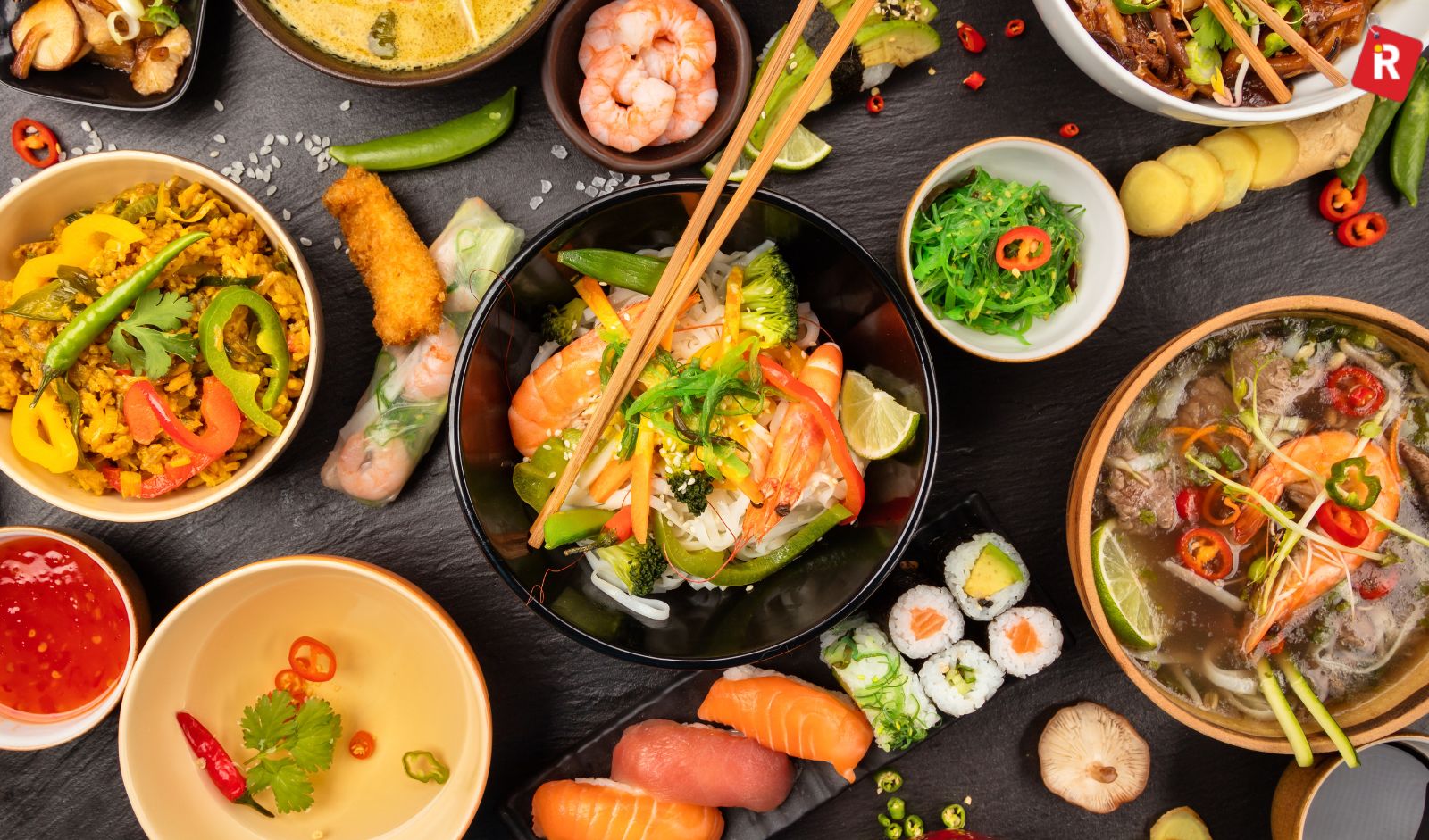
Chinese cuisine is often misunderstood as being indulgent and heavy, with many associating it with greasy take-out and fried dishes. However, Chinese food can also be incredibly nutritious when prepared mindfully and chosen wisely. With a little know-how, you can enjoy flavorful, satisfying meals that align with your health goals.
The concept of the “healthiest Chinese food” can be quite subjective, depending on the dishes you choose and how they are prepared. In this guide, we’ll walk you through the healthiest Chinese food options available, provide tips on what to look for when dining out, and share how to make smart adjustments to your order. We’ll also highlight some specific dishes that you can confidently choose for a healthier experience.
Whether you are someone who is conscious about your calorie intake, following a specific diet, or simply looking for nutritious and delicious options, this guide will help you make healthier choices the next time you dine at a Chinese restaurant.
Why Chinese Cuisine Can Be a Healthy Choice
Chinese cuisine offers a wealth of healthy choices, and much of the traditional preparation is centered around cooking methods that retain the nutrients in food while keeping fat and calories low. Common cooking methods like steaming, stir-frying, and boiling allow ingredients to retain their natural flavor and nutrients, making them healthier alternatives to methods like deep-frying.
Many traditional Chinese dishes are rich in vegetables like bok choy, cabbage, broccoli, and bell peppers, which provide essential vitamins, fiber, and antioxidants. Lean proteins such as tofu, fish, and chicken are often featured prominently, giving diners an ample source of protein without the excessive fat found in some other cuisines. Mushrooms, green onions, and other fresh herbs are frequently used to enhance flavors while keeping the calorie count low.
While the health benefits of Chinese food are clear, it’s important to note that the rise of “fast-food” Chinese meals has led to the availability of many deep-fried and heavily sauced dishes. These items, while tasty, are often laden with oils, sugars, and unhealthy fats. In contrast, healthier and more traditional dishes are among the popular Chinese food choices for those who want both taste and nutrition. Understanding the difference between these “fast-food” style meals and the healthier, authentic options at a Chinese restaurant in Oakville is key to making nutritious choices.
What to Look For: Key Criteria for Healthy Chinese Dining
When dining out at a Chinese restaurant, there are a few key criteria you can keep in mind to ensure you’re making the healthiest choices possible.
Cooking Methods – Steam, Poach, Light Stir-Fry vs Deep-Fry
One of the most significant factors in determining the healthiness of a dish is the cooking method used. Steamed dishes are typically lower in fat and calories because they are cooked without the addition of oil. Steaming helps retain the nutrients in vegetables and proteins, making it a great option for anyone looking for a healthy meal.
If steaming isn’t an option, poaching or stir-frying with minimal oil can also be good alternatives. Stir-frying allows you to cook with less fat while preserving the crispness of vegetables. On the other hand, deep-frying should generally be avoided as it adds unnecessary fats and calories to the meal.
Sauce, Salt & Sodium Considerations
Chinese food can sometimes be overly salty, especially with the heavy use of soy sauce and other flavorful condiments. To make healthier choices, ask for sauces on the side or request low-sodium soy sauce if available. Many dishes can be customized by reducing the amount of sauce or opting for lighter versions.
Avoid dishes that are doused in sweet or salty glazes, as these tend to be high in added sugars and sodium. Instead, look for dishes that use natural flavorings such as garlic, ginger, and fresh herbs. For a deeper dive into how Chinese sauces elevate dishes, learn more about their essential role in transforming your cooking.
Vegetable Content & Lean Proteins
A key element in healthy Chinese food is the abundance of vegetables. Opt for dishes that feature a variety of colorful vegetables, such as stir-fried mixed vegetables, broccoli, or bok choy. These are rich in essential vitamins and fiber, which promote digestion and overall health.
In terms of protein, lean options such as tofu, fish, and chicken are excellent choices. Tofu is especially beneficial for plant-based eaters, as it is a great source of plant protein and low in saturated fat. If you prefer seafood, chinese seafood dishes can be a great option, as they are typically lower in calories and high in omega-3 fatty acids, which are good for heart health.
Portion Control & Sharing Strategy
Chinese meals are often served family-style, which can make it challenging to control portion sizes. A good strategy is to share dishes with others so you can sample a variety of flavors without overeating. Ask for smaller portions if you’re dining alone, or consider ordering half portions to help manage your intake.
When sharing, balance heavier dishes (like meats or fried items) with lighter options such as steamed vegetables or tofu dishes. This can help ensure you get a balanced meal without overindulging.
Smart Ordering Times & Freshness
If you’re dining in, try to order early when the dishes are freshly prepared. Freshly cooked meals are not only tastier but also more nutritious. Avoid dishes that have been sitting on steam tables for too long or are reheated, as they can lose their nutritional value.
Top Healthy Chinese Dishes to Order (Your Guide to Specific Options)
Here are several of the healthiest Chinese food options you can look for when dining out. These dishes are flavorful, satisfying, and packed with nutrients.
Steamed Vegetable Dumplings
Steamed vegetable dumplings are a great option if you’re looking for a low-fat, high-fiber dish. The filling typically includes healthy vegetables such as cabbage, mushrooms, and carrots, all of which are rich in vitamins and minerals. As a plant-based dish, they also make for an excellent choice if you’re exploring vegan Chinese food options. For an even healthier version, ask for a minimal amount of dipping sauce to keep the calories low.
Steamed Fish Fillet with Ginger & Scallions
Fish is an excellent source of lean protein, and when prepared with ginger and scallions, it adds flavor without the need for heavy sauces. This dish is packed with omega-3 fatty acids, which are beneficial for heart health. It’s an ideal choice for anyone looking to eat healthy while enjoying the fresh flavors of Chinese cuisine.
Stir-Fry Mixed Vegetables with Garlic Sauce
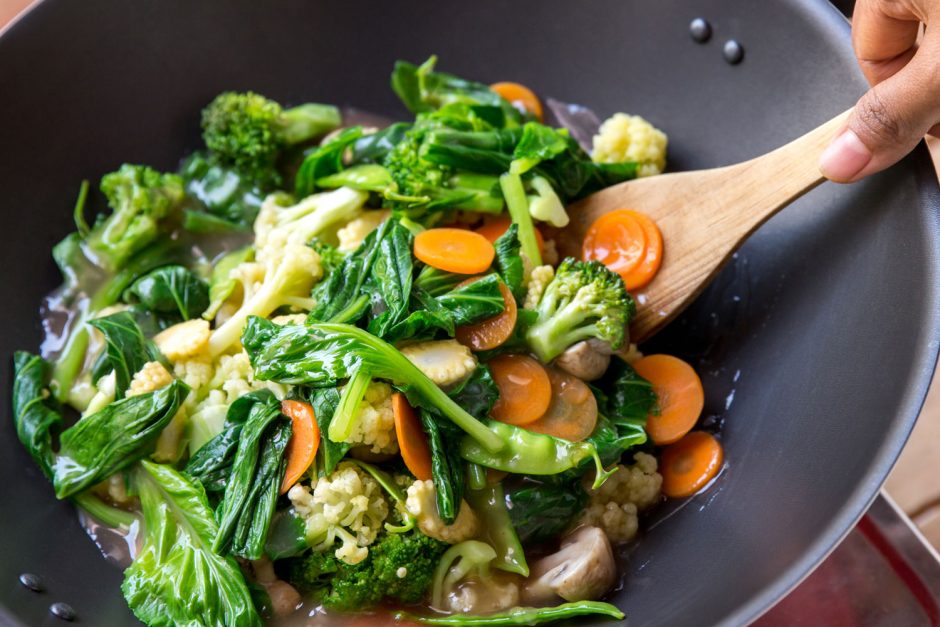
This dish is a great way to get your daily intake of vegetables. It typically includes a variety of greens such as broccoli, bok choy, and bell peppers, which are high in fiber and antioxidants. The garlic sauce provides a rich flavor but can be lightened by asking for a reduced amount of sauce.
Tofu and Mushroom Platter in Light Sauce
For a plant-based option, tofu and mushrooms in a light sauce is an excellent choice. Tofu is rich in protein and low in fat, while mushrooms provide a savory umami flavor and essential nutrients. This dish is a great source of plant-based protein and can be easily modified to be even healthier by requesting less oil in the sauce.
Hot & Sour Soup
Hot and sour soup is a light, broth-based option that can be an excellent starter to any meal. The spices in the soup, including chili and vinegar, help to boost metabolism and promote digestion, while the broth keeps the dish low in calories. It’s a great choice if you’re looking for something warming and flavorful without the added calories.
Brown Rice or Mixed-Grain Rice Options
Opting for brown rice or mixed-grain rice instead of traditional white rice is a simple way to make your meal healthier. Brown rice is high in fiber and contains more vitamins and minerals than white rice, helping to keep you full longer and provide more nutritional value.
Steamed Dim Sum
Dim sum can be a healthy choice, especially when steamed. Choose vegetable or seafood-based dim sum options for a light yet satisfying appetizer. Steamed dim sum is typically lower in calories compared to its fried counterpart, and you can ask for minimal oil to make it even healthier.
For more on how to enjoy dim sum, check out this guide to the secrets to perfect Chinese dim sum.
Smart Scenarios: Healthy Chinese Dining Tips for Different Situations
Healthy dining at Chinese restaurants doesn’t just apply to selecting the right dishes—it also depends on the situation. Whether you’re dining in, ordering take-out, or sharing with a group, here are some tips for making healthier choices.
Dining In for Lunch or Dinner – Making Smart Picks
When dining in, start your meal with vegetable-based appetizers or soups. Skip the heavy fried starters like spring rolls and instead opt for steamed dumplings or soups like hot and sour soup. For your main course, choose steamed or stir-fried dishes with lots of vegetables and lean protein. Limit your intake of rice and noodles, and opt for brown rice if available.
Take-Out or Delivery – How to Order Healthy Chinese Food Options at Home
Ordering Chinese food for take-out can be convenient, but it’s important to make healthy choices. Ask for sauces on the side so you can control how much you use. Opt for steamed dishes over fried options, and choose brown rice or mixed-grain rice instead of white rice. Be mindful of portion sizes, and consider sharing with others to keep your meal balanced.
Group Meals or Catering – How to Keep It Healthy When Sharing Chinese Food
When dining in a group, request that at least half of the menu items be steamed or include vegetable-rich dishes. Limit the number of deep-fried options, and focus on fresh ingredients. Drink water or tea instead of sugary beverages, and balance heavier dishes with lighter sides like steamed vegetables or tofu.
Conclusion
Chinese cuisine can offer both indulgence and health when you make thoughtful choices. By selecting steamed dishes, lean proteins, and a variety of vegetables, you can savor the rich flavors of Chinese food while still staying on track with your health goals. The healthiest options are always within reach when you understand what to look for and how to personalize your meal.
Next time you’re craving Chinese food, use this guide to navigate the menu and pick dishes that are both delicious and nourishing. Whether you’re in the mood for something light or filling, there are plenty of healthy options that can meet your tastes.
Remember: healthy eating begins with making informed decisions. Enjoy your meal!