
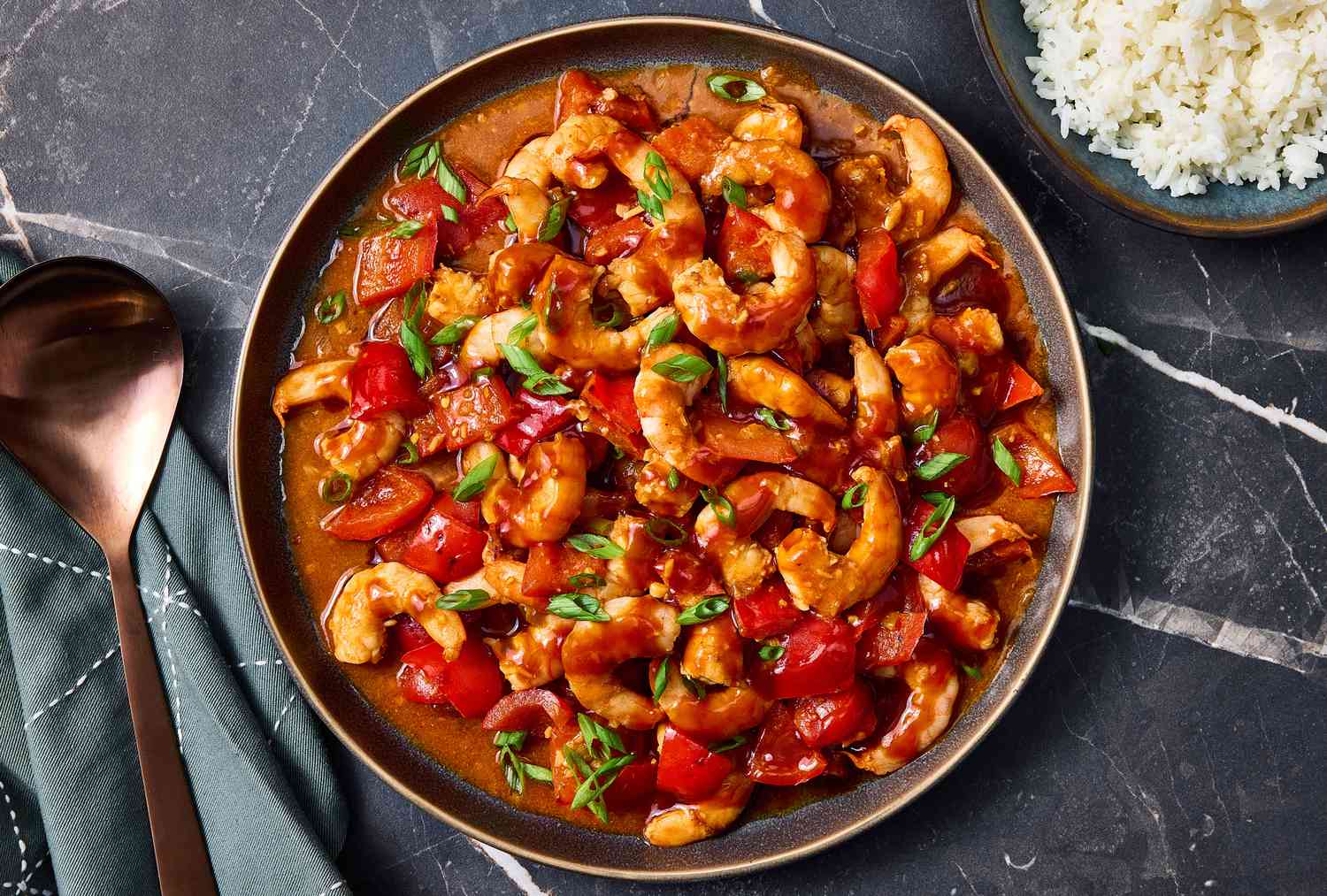
Sichuan cuisine is one of the most exciting and talked-about regional cuisines in China. Known for its bold spices, fragrant aromatics, and the famous málà (numbing and spicy) taste, Sichuan cooking has captured the hearts of food lovers around the world. If you enjoy adventurous flavors or want to explore a new side of Chinese food, Sichuan dishes offer an unforgettable experience.
This guide will walk you through what makes Sichuan cooking special, which spicy Chinese dishes are best for beginners, how to manage heat levels, and how to pair your meal with the right drink. You’ll also learn where you can enjoy authentic Sichuan flavors right here in Oakville.
What Makes Sichuan Dishes Unique?
Sichuan cuisine is built around layers of flavor. Instead of relying on just heat, it balances spicy, numbing, salty, savory, smoky, and aromatic notes in a single dish. When people talk about Sichuan food, they often mention the málà effect – a combination of chili heat and tingling sensation. This comes from two key ingredients: dried red chilies and Sichuan peppercorns.
The peppercorns don’t burn your tongue. Instead, they create a buzzing, slightly citrusy numbness that enhances the chili heat rather than overpowering it. When both are used together, the result is a deep, addictive flavor that keeps you wanting more.
Sichuan dishes also rely on fermented pastes such as Doubanjiang (broad bean chili paste). This paste adds umami richness and color to stir-fries, noodles, and saucy dishes. You’ll find it in classics like Mapo Tofu and Twice-Cooked Pork.
Ingredients like garlic, ginger, scallions, and black vinegar are also essential to the structure of Sichuan cooking. Sichuan cuisine frequently uses components shared across other Chinese regions, and many of these foundational ingredients are outlined clearly in chinese pantry essentials, showing how these staples influence both everyday dishes and robust regional flavors.
Another reason Sichuan cuisine stands out is its variety. You’ll find stir-fries, fried dishes, braised dishes, dry pot dishes, saucy tofu dishes, and hand-pulled noodles – all infused with bold seasoning. Even vegetable dishes can pack heat and fragrance. Because of this diversity, Sichuan food appeals to a wide range of tastes, from fiery spice lovers to diners who enjoy mild but flavorful dishes.
Must-Try Sichuan Dishes for Beginners
If you’re new to Sichuan cuisine, start with a few classic Sichuan dishes that showcase its famous balance of heat and aroma. These dishes are perfect whether you’re a foodie exploring new flavors or someone curious about spicy Chinese dishes for the first time.
1. Mapo Tofu
Mapo Tofu is one of the most iconic Sichuan dishes. It features soft tofu cubes braised in a deep-red chili sauce with minced pork, garlic, ginger, and Sichuan peppercorns. The flavor is bold, warming, and slightly numbing. Even if you’re not a fan of spicy food, Mapo Tofu can be made with adjustable heat levels.
It’s also a great option for those interested in plant-based choices, as many restaurants can prepare vegetarian or vegan variations. For diners who need dietary accommodations, it pairs well with guides on safe options like gluten-free chinese dishes.
2. Dan Dan Noodles
Dan Dan Noodles bring together chewy noodles, chili oil, ground meat, preserved vegetables, scallions, sesame paste, and crunchy peanuts. The sauce is both spicy and slightly nutty. The contrasting textures make this dish a favorite among noodle lovers. It’s a great entry point because it introduces heat gently while still offering the signature Sichuan aroma.
3. Kung Pao Chicken
While many people have tried a Western-style version, authentic Sichuan Kung Pao Chicken tastes entirely different. It’s stir-fried with dried chilies, garlic, peanuts, and sometimes fresh vegetables. The sauce is a mix of sweet, savory, and spicy flavors. It’s less fiery than many Sichuan dishes, making it an ideal option for beginners.
The depth of flavor in Kung Pao Chicken comes from a blend of aromatics often discussed in chinese food ingredients, highlighting how traditional components shape the character of regional Chinese dishes.
4. Twice-Cooked Pork
This classic Sichuan dish features pork belly that is simmered first, then sliced and quickly stir-fried with chili paste, garlic, leeks, and peppers. It delivers heat, savoriness, and smokiness in every bite. The flavor is strong, but not aggressively spicy.
5. Chongqing Spicy Chicken
This dish is for true spice fans. Also known as “La Zi Ji,” it consists of crispy chicken cubes tossed with a massive amount of dried chilies, Sichuan peppercorns, and garlic. The chicken itself is not overwhelmingly spicy, but the fragrance and heat come from the chilies surrounding it. If you enjoy spicy Chinese dishes, this one is a must-try.
6. Dry Pot Dishes (Gan Guo)
Dry pot dishes are a modern favorite in Sichuan cooking. Instead of broth, ingredients like shrimp, beef, tofu, lotus root, and mushrooms are stir-fried with chili oil and spices. These dishes allow you to explore flavors beyond the typical classics.
7. Sichuan Spicy Fish or Boiled Fish (Shui Zhu Yu)
This dish features tender slices of fish poached in chili broth with garlic, ginger, and bean sprouts. It’s rich, fragrant, and smoother than its fiery appearance suggests. It’s especially popular among seafood enthusiasts.
When mixing fiery entrées with something lighter, pairing the meal with ideas similar to those featured in healthy chinese food options can help balance the heat without sacrificing flavor.
How to Choose the Right Spice Level
Not everyone enjoys the same level of heat, and that’s completely fine. Sichuan cuisine can be customized to suit your comfort level. Here’s how to choose the right spice level when ordering or preparing Sichuan dishes:
1. Start Mild if You’re New to Spicy Food
If you’ve never eaten Sichuan peppercorns before, start with dishes like Kung Pao Chicken or Dan Dan Noodles at low heat. You’ll get the aroma and flavor without overwhelming spice.
2. Understand the Type of Heat
Sichuan cuisine has two kinds of heat:
- Chili heat – comes from fresh or dried chilies
- Numbing spice – comes from Sichuan peppercorns
Some dishes are heavy on chili but light on peppercorn, and vice versa. Ask your server which style matches your comfort level.
3. Request Adjustments
Most restaurants, especially those experienced with regional Chinese cuisine, can make dishes mild, medium, or very spicy. If you’re sensitive to heat, ask for fewer dried chilies or a light amount of chili oil.
4. Balance Your Meal
Add a non-spicy side like steamed vegetables, rice, or pickled cucumbers. They help cleanse your palate and give you a break between bites.
5. Drink Smart
Cold drinks can calm heat temporarily, but warm tea often works better long-term. We’ll explore pairing ideas in the next section.
Pairing Ideas: What to Drink with Sichuan Dishes
Sichuan dishes are full of heat and numbing spices, so choosing the right drink can make your meal even more enjoyable. The key is pairing spicy Chinese dishes with something refreshing and aromatic.

1. Jasmine Tea or Oolong Tea
These teas help balance heat without overwhelming your taste buds. They cleanse the palate and enhance aroma.
2. Light Beer
Crisp beers are commonly paired with spicy Chinese dishes. They cool the tongue quickly and match the intensity of fried dishes like Chongqing Chicken.
3. Sparkling Water or Citrus Drinks
Carbonation cuts through oils and keeps your palate fresh. Citrus mocktails also add a nice touch of brightness.
4. Wine Pairings
Surprisingly, wine pairs beautifully with Sichuan dishes when chosen correctly. Semi-sweet or aromatic wines like Riesling or Gewürztraminer are excellent choices because they balance heat and highlight the numbing fragrance. If you’re curious about how wine fits into Chinese cuisine overall, you can explore wine pairing tips that also apply well to Sichuan-style meals.
Where to Try Authentic Sichuan Dishes in Oakville
If you’re craving authentic Sichuan flavors without having to travel far, Oakville offers some great options, with several excellent Chinese restaurants in Oakville showcasing regional specialties.
Pearl Oakville is known for its commitment to authentic Chinese cuisine, high-quality ingredients, and beautifully balanced flavors. While the restaurant specializes in Cantonese dishes and dim sum, it also embraces the diversity of Chinese regional cooking. You may find Sichuan-inspired options available seasonally or included among chef specials.
If you’re someone who enjoys exploring Chinese cuisine beyond mainstream takeout favorites, trying authentic Sichuan-style meals at Pearl Oakville allows you to experience deep, complex flavors prepared by chefs who understand how to balance heat, fragrance, and richness in every dish.
And if you’d like to stock your home kitchen with essentials to recreate some of these flavors, Pearl Oakville also provides helpful culinary guides such as chinese pantry essentials and ingredient breakdowns that help you understand how a simple sauce or spice can transform a dish.
Conclusion: Take the Spicy Challenge
Sichuan cuisine is full of excitement, depth, and unforgettable aromas. Whether you’re a longtime lover of spicy food or someone exploring Sichuan dishes for the first time, there’s always a new flavor waiting to surprise you. From classics like Mapo Tofu to modern dry pot dishes, this regional cuisine offers something for everyone.
The best way to appreciate it is to try a mix of textures, spice levels, and styles – and to enjoy the journey of discovering how bold Chinese flavors come to life on your plate. If you’re ready to take on the spicy challenge, start with one dish that excites you, pair it with your favorite drink, and enjoy the unique world of Sichuan cooking.