

Chinese cuisine is known for its rich flavors, unique textures, and vibrant colors. While it’s often associated with meat-heavy dishes, there is a growing trend of incorporating more vegetables into traditional recipes, creating healthier and more sustainable meals. Vegetables play an essential role in balancing flavors, adding texture, and improving the nutritional value of Chinese dishes.
Whether you’re a vegetarian, vegan, or simply someone looking to eat healthier, adding more vegetables to your Chinese dishes is an excellent way to boost the nutritional content of your meals. In this article, we will explore how you can enhance your Chinese cooking by incorporating vegetables, provide creative recipe ideas, and share tips for making your meals lighter, healthier, and just as delicious.
The Importance of Vegetables in Chinese Cuisine
Vegetables have long been an integral part of Chinese cuisine. From stir-fries to soups, Chinese chefs have perfected the art of cooking with vegetables, using them to enhance the natural flavors of meat-based dishes or as the star ingredients in plant-based meals. Vegetables in Chinese cuisine are often cooked in such a way that they retain their vibrant colors, textures, and most importantly, their nutritional benefits.
Incorporating vegetables into your meals has many health benefits. They provide a rich source of vitamins, minerals, and fiber, which are essential for maintaining a healthy diet. Chinese vegetables like bok choy, Chinese broccoli, and snow peas are packed with nutrients and offer a low-calorie, high-fiber addition to your meal.
By adding more vegetables to your Chinese dishes, you’re not only improving the nutritional value of your meals but also enhancing their flavors. Vegetables provide a natural sweetness, earthiness, or crunchiness that perfectly complements the savory, umami flavors typical of Chinese food.
Popular Vegetables Used in Chinese Cooking
Chinese cuisine is full of unique vegetables that are not always found in Western kitchens. Some of these vegetables are staples in traditional dishes and can be used to create fresh, flavorful meals that are both satisfying and healthy. Here are some of the most popular vegetables used in Chinese cooking:
- Bok Choy: A type of Chinese cabbage, bok choy is crunchy, mild in flavor, and a great addition to stir-fries and soups.
- Chinese Broccoli (Gai Lan): Known for its tender stalks and slightly bitter leaves, Chinese broccoli is often used in stir-fries or braised dishes.
- Snow Peas: These crisp, sweet peas are perfect for stir-fries or as a fresh garnish.
- Shiitake Mushrooms: These mushrooms bring an earthy flavor to any dish and are often used in broths or stir-fries.
- Water Spinach (Kang Kong): This leafy green vegetable is often stir-fried or added to soups, providing a light, delicate flavor.
When incorporating vegetables into your Chinese dishes, you can choose any combination of these vegetables based on the season and your personal preference. They can be stir-fried, steamed, or braised to retain their flavor and texture, making them versatile additions to any dish.
How to Modify Classic Chinese Dishes to Include More Vegetables
One of the easiest ways to incorporate more vegetables into your Chinese dishes is by modifying your favorite classic recipes. Many traditional Chinese dishes already include vegetables, but by increasing the vegetable content, you can make the dish lighter and healthier. Here are a few suggestions for modifying some of the most popular Chinese dishes:
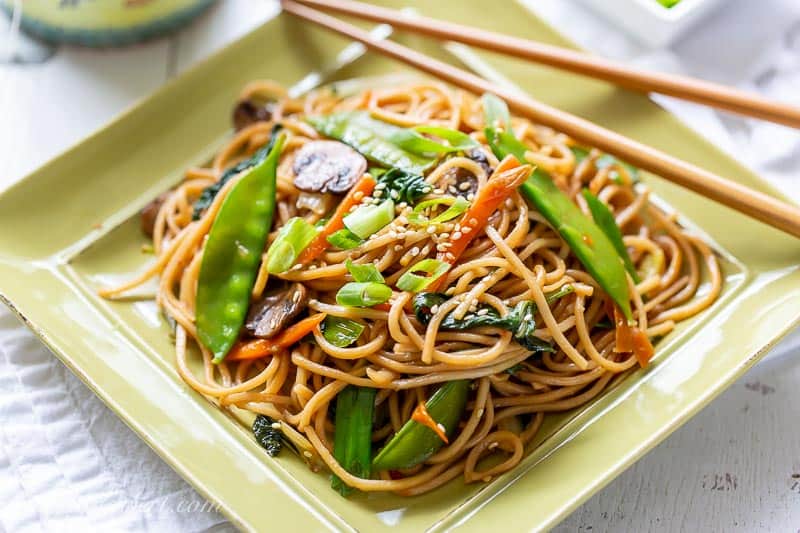
Vegetable Lo Mein
Lo Mein is a classic Chinese noodle dish that can be made healthier by adding more vegetables. Instead of just using a few bell peppers and onions, try adding a variety of vegetables like broccoli, carrots, mushrooms, and spinach. This will make the dish more colorful, flavorful, and nutritious without sacrificing the authenticity of the dish.
Sweet and Sour Tofu
Sweet and sour dishes are beloved in Chinese cuisine, and they can easily be made healthier by using tofu and loading them up with vegetables. In a sweet and sour tofu dish, you can add ingredients like bell peppers, onions, pineapple, and carrots. The vegetables provide a satisfying crunch and complement the tangy, sweet sauce.
Kung Pao Vegetables
While adjusting the ingredient list for more vegetables, famous Chinese dishes such as Kung Pao Chicken can easily be reimagined with a healthy vegetable twist. Replace the meat with a variety of vegetables such as zucchini, peppers, mushrooms, and onions. The combination of vegetables works perfectly with the bold, spicy flavors of the sauce.
Vegetable Fried Rice
Fried rice is another staple of Chinese cuisine that is perfect for adding extra vegetables. You can incorporate peas, carrots, corn, green onions, and even leafy greens like spinach into your fried rice. This will add more vitamins and fiber while still maintaining the flavor and texture that fried rice is known for.
Creating Plant-Based Chinese Dishes
Chinese cuisine offers a wide variety of plant-based dishes that are both flavorful and satisfying. If you’re looking for vegan or vegetarian options, there are plenty of Chinese dishes that focus on vegetables as the main ingredient. Here are some classic plant-based Chinese dishes that use vegetables as their primary components:
- Mapo Tofu: Traditionally made with ground pork, Mapo Tofu can easily be made vegan by using plant-based tofu and adding mushrooms and other vegetables for flavor.
- Vegetable Spring Rolls: These crispy rolls are typically filled with cabbage, carrots, and other vegetables. They make for a healthy and light appetizer.
- Vegetable Hot Pot: A hot pot is a traditional Chinese dish that involves simmering vegetables, tofu, and mushrooms in a flavorful broth. It’s a great way to incorporate a variety of vegetables into one dish.
By focusing on plant-based ingredients like tofu, tempeh, or seitan, you can easily create flavorful Chinese dishes that are completely vegan or vegetarian. Incorporating a variety of vegetables into these dishes will help you enjoy the authentic flavors of Chinese cuisine while maintaining a healthy, plant-based diet.
Creative Ways to Incorporate Vegetables in Chinese Dishes
Adding vegetables to your Chinese dishes can be as simple as swapping meat for vegetables or enhancing a dish with extra greens. Here are some creative ideas to incorporate more vegetables into your Chinese cooking:
- Add Vegetables to Stir-Fries: Stir-fries are the perfect dish to load up with vegetables. You can use vegetables like bell peppers, zucchini, carrots, and onions, along with your choice of tofu or seitan for protein. Stir-fries are quick to prepare, making them an easy option for busy weeknights.
- Use Vegetables in Sauces: If you’re making a Chinese sauce like sweet and sour or hoisin sauce, try blending vegetables like carrots, onions, and mushrooms into the sauce. This will give your sauce a thicker, richer texture and infuse it with more flavor.
- Vegetable-Based Broths: Instead of using a meat-based broth, try making a vegetable broth for soups and noodle dishes. Adding mushrooms, carrots, and onions to the broth can enhance the depth of flavor and give the dish a more earthy taste.
- Vegetable-Based Dumplings: Dumplings are a beloved Chinese snack, and you can easily make them with a vegetable filling. Try filling your dumplings with cabbage, mushrooms, and tofu for a light and tasty appetizer.
Healthier Alternatives and Nutritional Tips
Making Chinese dishes healthier doesn’t just mean adding more vegetables. It also involves making small changes to reduce the overall calorie count and increase the nutritional content of the dish. Here are some tips to make your Chinese dishes healthier while still keeping them delicious:
- Use Less Oil: Chinese cooking often involves stir-frying, which can use a lot of oil. To make your dishes lighter, try using less oil or opting for healthier oils like sesame or peanut oil.
- Choose Low-Sodium Soy Sauce: Soy sauce is an essential part of Chinese cuisine, but it’s often high in sodium. Opt for low-sodium soy sauce to reduce the salt content in your dishes while still preserving the flavor.
- Reduce Sugar: Many Chinese sauces, such as sweet and sour sauce, are high in sugar. Try making your own sauce using natural sweeteners like honey or agave to control the sweetness of your dishes.
- Add More Vegetables: The simplest way to make your Chinese dishes healthier is by increasing the vegetable content. Not only do vegetables add important nutrients, but they also add flavor, texture, and volume to your meals.
Easy-to-Make Vegetable-Rich Chinese Recipes
Here are three simple, vegetable-rich Chinese recipes to try at home:
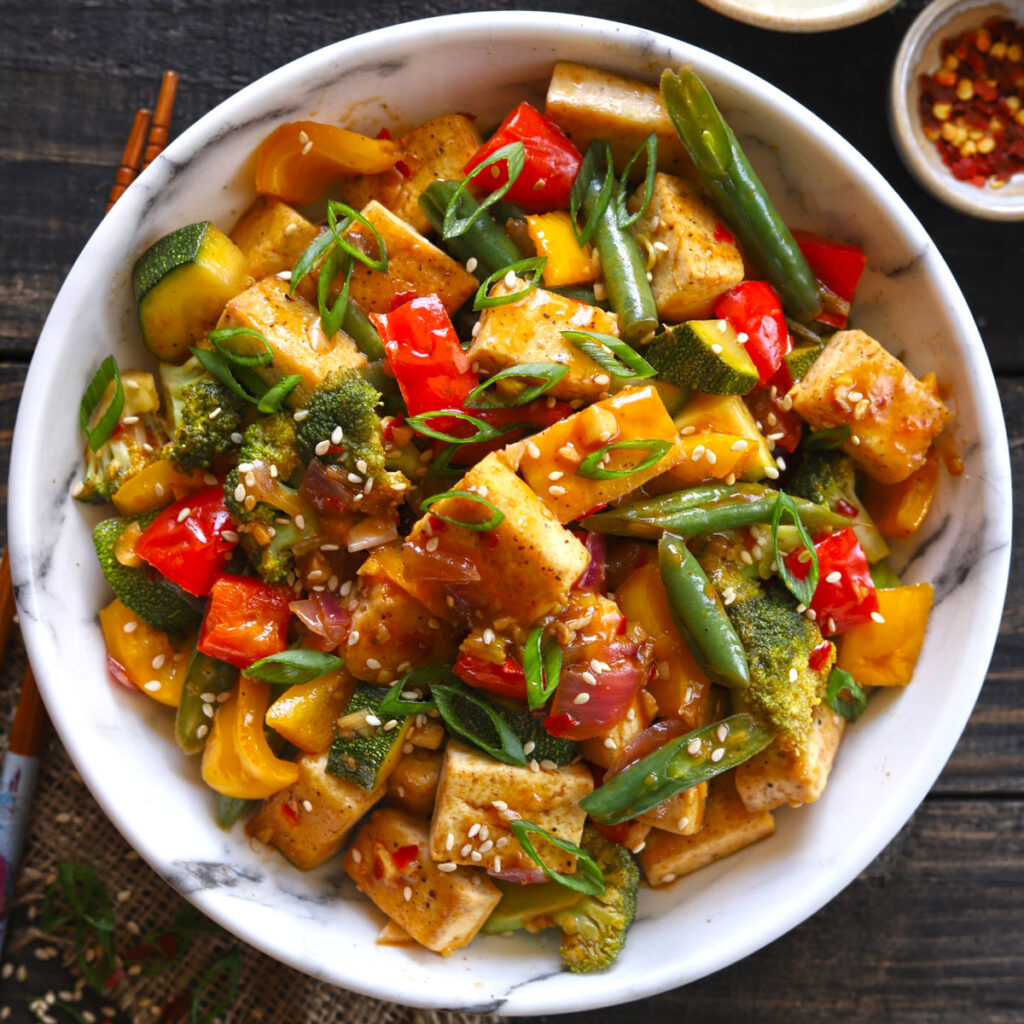
Vegetable Stir-Fry with Tofu
A quick and easy dish made with a mix of vegetables like bell peppers, broccoli, and carrots, stir-fried with tofu and seasoned with soy sauce and garlic.
Chinese Broccoli in Oyster Sauce
Chinese broccoli is stir-fried and served with a savory oyster sauce, making for a healthy and satisfying side dish.
Sweet and Sour Vegetable Medley
A vibrant and colorful dish made with a mix of vegetables like bell peppers, carrots, and pineapples, tossed in a sweet and sour sauce.
Conclusion
Incorporating more vegetables into your Chinese dishes is an excellent way to create healthier, flavorful meals. Whether you’re a vegetarian or simply looking to eat more plant-based meals, there are countless ways to add vegetables to your favorite Chinese dishes. From vegetable stir-fries to plant-based Chinese dishes, the options are endless.
So, next time you’re cooking Chinese food at home, try experimenting with different vegetables and cooking techniques. You’ll be amazed at how easy it is to create delicious, healthy meals that are packed with flavor and nutrition. And if you’re craving more vegan options, be sure to explore the variety of vegan Chinese food available in Oakville.
Whether you’re preparing a hearty stir-fry, a refreshing Chinese summer dish, or simply want to enjoy a lighter meal, incorporating vegetables will not only enhance your dishes but also help you maintain a healthy lifestyle.